This project is a strategic and competitive intelligence analysis of the coding and software development field, in relation to generative AI, through social media discourse analysis. Conducted as part of a university course, the research explores how conversations about coding, emerging technologies, and professional practices unfold across multiple digital platforms including Twitter , Dev.to , Reddit , and Stack Overflow .
The project addresses four critical research questions that provide insights into the current state and future direction of the software development industry. Through natural language processing, text mining, and data visualization techniques, the analysis uncovers patterns in how developers discuss innovations, evaluate companies, and adapt to changing work environments. The methodology combines quantitative analysis of large-scale datasets with qualitative interpretation of emerging trends, resulting in actionable intelligence for understanding the competitive landscape of technology companies and coding practices.
The deliverable includes an interactive R Shiny dashboard that enables users to explore the findings through dynamic visualizations, making the intelligence accessible and actionable for various stakeholders including technology companies, educators, and industry analysts.
This project is my first hands-on experience both using R and in applying strategic and competitive intelligence methodologies to real-world data sources. I learned how to transform unstructured social media data into actionable business intelligence through systematic analysis and visualization.
One of the most significant learnings was mastering the entire cycle: from identifying relevant information sources to collecting, processing, analyzing, and disseminating findings. I developed proficiency in working with multiple APIs including Twitter, Dev.to, and Reddit, understanding their limitations and optimizing data collection strategies within rate limits and access constraints.
The project deepened my understanding of natural language processing techniques, particularly named entity recognition, sentiment analysis, and text classification using libraries like NLTK and spaCy . I learned to filter noise from signal in large datasets containing millions of tweets, identifying meaningful patterns while managing computational resources efficiently.
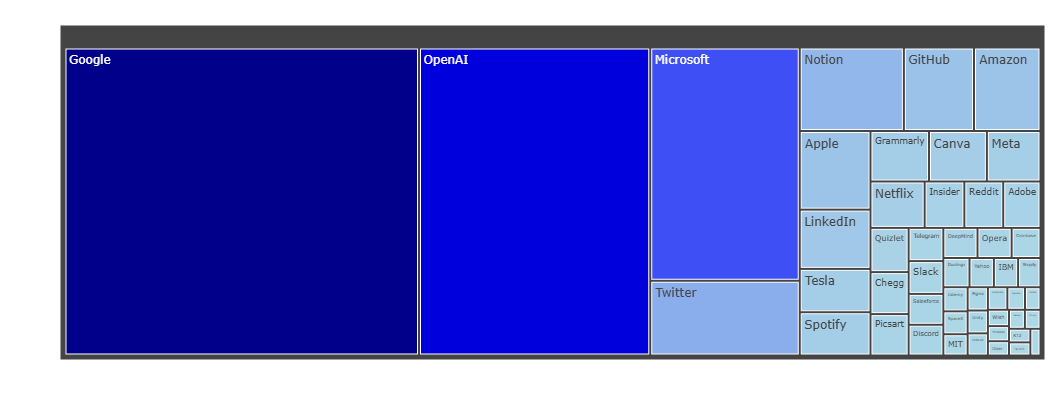
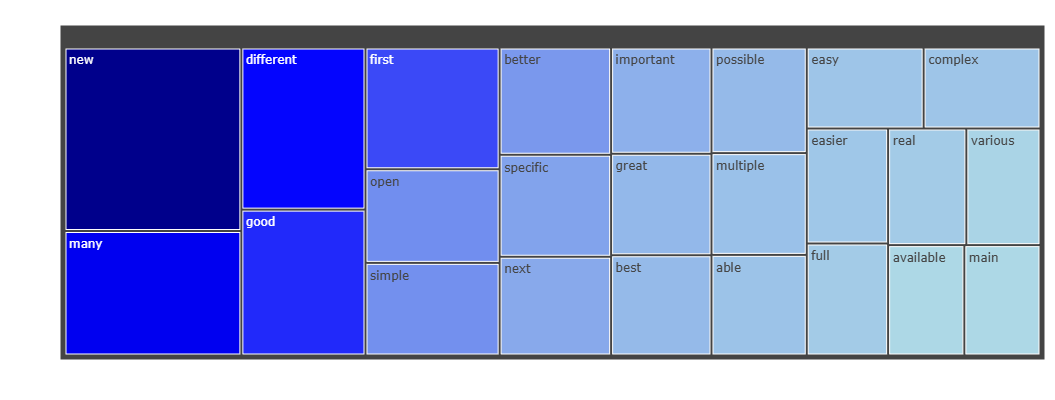
Building the R Shiny dashboard taught me the importance of data storytelling and user-centered design in intelligence reporting. I learned to translate complex analytical findings into visualizations including word clouds, treemaps , and comparative charts that enable stakeholders to derive insights quickly.
Perhaps most importantly, I learned the value of iterative refinement in intelligence gathering. The process of filtering company names, validating results through manual review, and continuously improving data quality demonstrated that competitive intelligence requires combining automated analysis with human judgment to produce reliable, actionable insights. This project reinforced that effective intelligence work is as much about critical thinking and domain knowledge as it is about technical skills.
The project was structured around six research questions that guide the analysis of coding discourse and technology trends: